27
Industries in the room //
NPCIL's Bharat Small Reactor meeting, February 2025
1
Proposal submitted //
Hindalco, when the deadline closed in March 2026
Twenty-seven industries sent delegates to the Nuclear Power Corporation's meeting on Bharat Small Reactors in February 2025. When the deadline closed on 31 March 2026, one company had submitted a proposal: Hindalco, which makes aluminium.1 In between sat 700 queries and a deadline extended more than once. Over the same months Adani announced 10 GW of nuclear capacity, Jindal 18 GW and NTPC 30 GW.2 So India's largest power buyers want nuclear power, and almost none of them wanted this reactor. This thesis is about why the money chooses what it chooses, where that leaves room for a venture investor, and which of those positions an Indian company can credibly hold.
§ 01 //
Three claims carry this thesis
1/ India's next decade of nuclear power is the 700 MWe heavy water reactor, built as a fleet of identical units, because it is the one design whose cost, supply chain and licence are already known. The venture opportunity sits in what that fleet buys.
2/ Every new reactor design, in America as much as in India, waits on the same two things: fuel enriched past today's standard and metal proven to run hotter. A company that shortens either wait sells to every design at once, whichever one wins.
3/ The first buyer of a new kind of reactor is whoever pays most for carbon or for missing power: a smelter facing Europe's border tax, a data centre without a grid connection, a remote military base. Which of those buyers signs decides which small-reactor companies get built.
The rest of this page tests those claims in the order a buyer meets them: what nuclear costs, why new designs have not yet changed that, who pays for the first one, and what India has. The load-bearing claim is the first. The closing section says what would break it.
§ 02 //
Nuclear power is on its third start
Nuclear power has started three times, and each start was set by who would pay. The first was governments building for power and for strategy from the 1950s; India's first reactors at Tarapur went critical in 1969.3
The second start was a stall. The United States runs 56 nuclear plants totalling 103,698 MW, and built none in 2025. Among its largest stations, the newest units came online at Watts Bar in 2016 and at Vogtle in 2024.4
The third start is now, and two things changed. Buyers changed first: data centres need power around the clock, and India's data-centre capacity alone is projected to grow from 1.7 GW to 10 GW by 2032.5 Builders changed second. In 2026 Valar Atomics, a company under three years old, took its Ward 250 reactor critical in Utah and used its 100 kW of output to run an NVIDIA chip, by the company's account the first nuclear electricity ever made by a startup.6
China moved earlier. Its Shidao Bay pebble-bed reactor began sending power to the grid in December 2023, and its 125 MW Linglong One small reactor on Hainan was scheduled for commercial operation in the first half of 2026.7 Only two small modular reactors are running anywhere in the world.8
§ 03 //
Nuclear power costs what it costs to build
Nuclear power is expensive because of the building, and fuel is a small part of the bill.
Nuclear //
$110 per MWh
Solar //
$55
Onshore wind //
$40
Levelised cost spreads a plant's lifetime spending over every unit it generates, so it is the price a plant needs to break even. In the United States, construction spending is more than half of nuclear's figure, and overnight construction costs there run above $4,000 per kilowatt against above $2,000 in most other countries.910
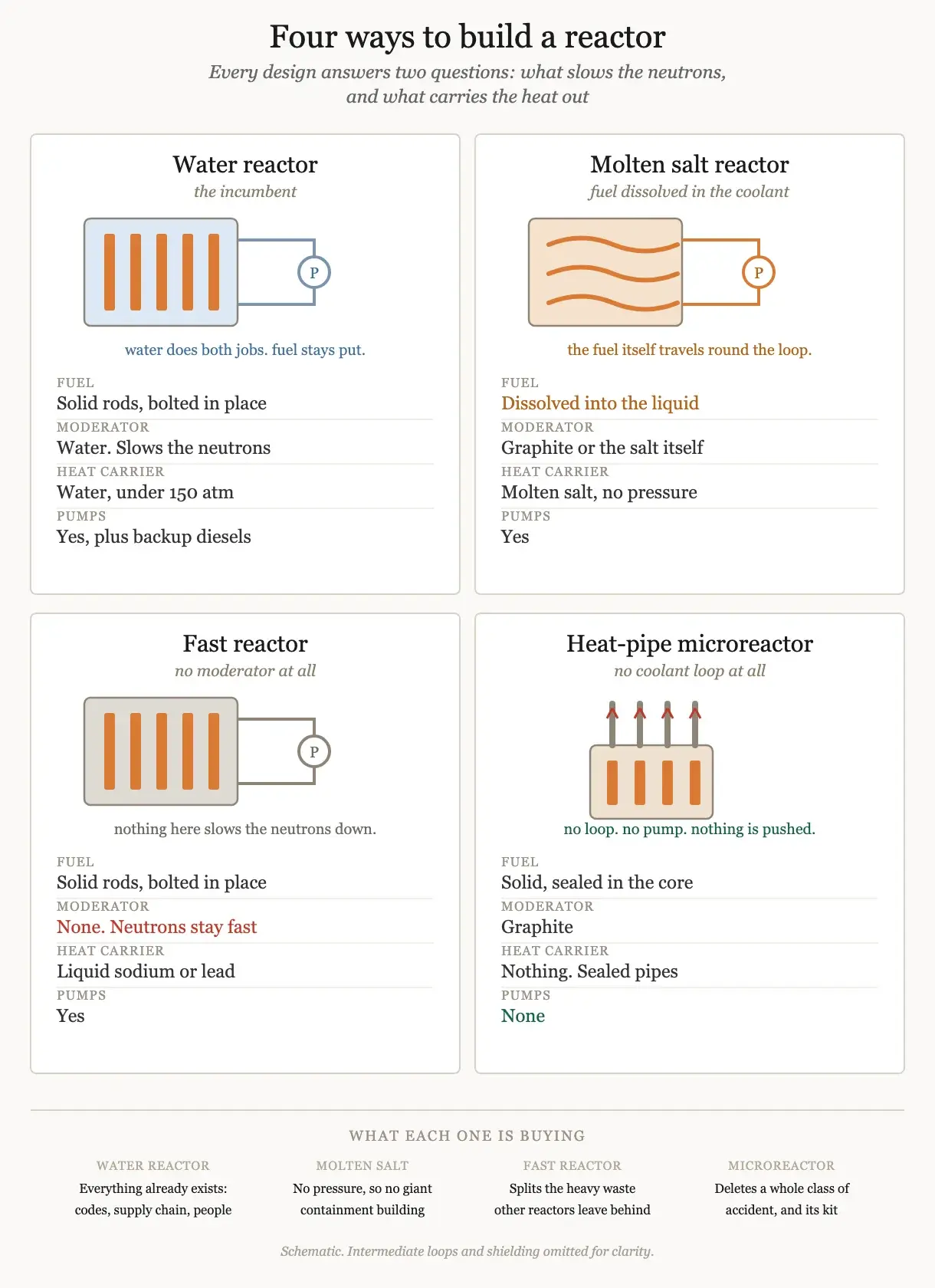
Most reactors carry heat out of the core with ordinary water, and keeping water liquid at about 325°C takes roughly 150 times atmospheric pressure.11 That pressure is what the money buys: a thick steel vessel, a concrete containment building around it, and years of construction on site. Almost every advanced design is an attempt to remove the pressure.
Capital cost also makes nuclear unusually sensitive to time. A plant earns nothing until it runs, so every year of delay adds interest on money already spent. Jindal Steel's head of decarbonisation said at a 2026 summit: construction delays drive up the price of the electricity and threaten whether a project survives at all.2
India's own heavy water reactor costs about ₹18 crore per MWe to build, against about ₹34 crore for a Russian design, with French and American designs higher again.12 That gap carries most of this thesis.
§ 04 //
Small reactors move the work from the site to the factory
A small modular reactor trades the economics of size for the economics of a factory, and the trade pays only with an order book.
Valar's founder describes the goal as turning "a construction problem, which is really hard to scale, into a manufacturing problem". Its radiation shield is precast concrete blocks with curved faces that interlock under their own weight, about forty made in three weeks, and the reactor was broken into six modules for a military airlift to its Utah site.13 Linglong One's major parts were built on the Chinese mainland, shipped to Hainan by boat and connected on site.7
So why has the factory not won already? The usual answer is that small reactors are cheaper because they are small. A small reactor gives up the scale that made large reactors cheaper per unit of output, so its case rests on a factory lowering cost with every unit built, and that is my reading of the mechanism. NuScale shows what happens before the units exist. Its 462 MW project for a Utah utility group, six modules, was cancelled after delays and rising costs, and its shares have fallen 75% since it announced a 6 GW framework with the Tennessee Valley Authority that carries no power purchase agreement yet.8
An Indian industry expert put the same mechanism in one line:
Solar panels escaped this loop, and the reason is size. A panel costs a few hundred dollars, so millions of small buyers could each take the risk of one and pay for the factory between them. A reactor costs billions, so the first order needs one buyer willing to carry the whole risk. The analogy stops there: solar never had to pass a nuclear regulator.
§ 05 //
Every new design waits on the same fuel
Most advanced reactors want fuel enriched well past today's standard of 3 to 5%, and the world barely makes it.
Uranium from the mine is 0.7% of the kind that splits. Enrichment concentrates it, and denser fuel is what lets a small reactor run for three to seven years between refuellings, against one to two years for a large one.9 The designs that most excite investors want fuel enriched toward 20%.
America has no commercial supply of that fuel. Its only production is a sixteen-centrifuge demonstration line at Piketon, Ohio, which has made about 900 kilograms, and the Department of Energy has said it may not be able to supply even the eight companies it allocated fuel to in 2025.14 Russia's Rosatom holds about 43% of the world's enrichment capacity.3
So the American advanced reactor industry, the best funded in the world, is fuel-limited too. Hold that against India's position later.
§ 06 //
And every new design waits on the same slow metal
A reactor that runs hotter needs metal proven at that heat, and proving one takes decades.
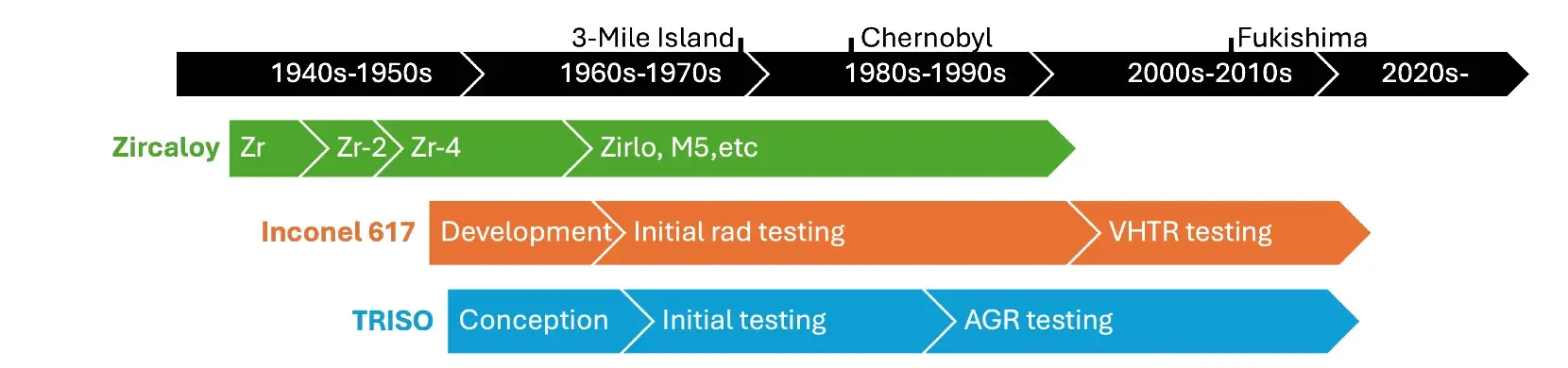
A safety-critical part in a high-temperature reactor has to be made from a material already written into the American engineering code and accepted by the regulator. Six materials are on that list. Alloy 617, which opens up 950°C, took more than four decades of testing to qualify, and the coated fuel particles called TRISO, where each grain of uranium carries its own ceramic shell, took about five.15
Heat matters because it is the second product. A water reactor delivers steam at about 300°C, and most heavy industry needs more. Gas-cooled reactors deliver 750 to 950°C, the range that serves chemicals and hydrogen.11 India's own 5 MWth gas-cooled demonstrator is designed to make hydrogen at 650°C.9
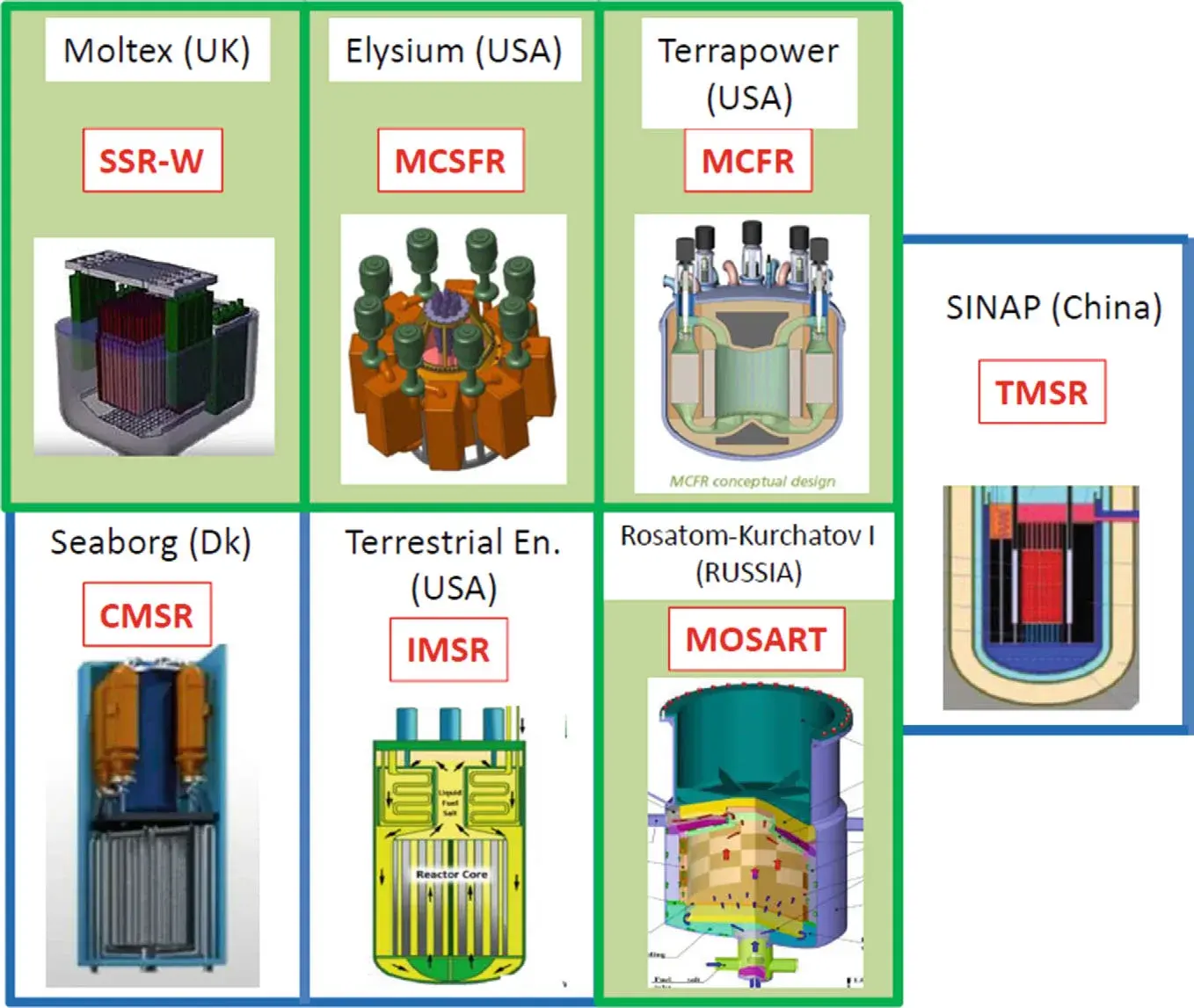
Molten salt designs push the same trade further. The salt stays liquid at ordinary pressure, which removes the pressure vessel, and seven designs from five countries are at different stages of development, with none yet selling power to a grid.16 India's own plan names the molten salt reactor as a candidate for burning thorium, and the government told Parliament in March 2026 that the technology "is not yet matured".17
This is where the second claim comes from. A company that cuts the time to qualify a material, through testing, simulation or inspection, sells into every reactor family at once and does not need to know which one wins. The materials researchers make the same case for computer-aided design of reactor alloys.15 In India the fleet runs on materials qualified long ago, so the first customers for this work are the American and European developers; an Indian team can sell to them from here.
§ 07 //
Fusion is a magnet business first
Private fusion exists because a new superconducting magnet made the machine smaller, and the magnet is the part with buyers today.
Fusion power in a tokamak, the doughnut-shaped machine that holds plasma in a magnetic field, rises with the fourth power of that field. Doubling the field gives about sixteen times the power from a machine of the same size.18 The newer superconducting tape holds fields older wire could not, and the machine needed to reach fusion conditions shrank from an intergovernmental treaty project into something a venture-backed company can attempt.
China is funding that bet at state scale. Startorus Fusion raised 1 billion yuan, about $143 million, in January 2026, a record for a private Chinese fusion round. Supermag, which makes high-temperature superconducting magnets, raised several hundred million yuan in an angel round. State-owned China Fusion Energy began with 11.5 billion yuan, and the state assets regulator committed more than 300 billion yuan to fusion up to 2030, about $42 billion by my conversion.19
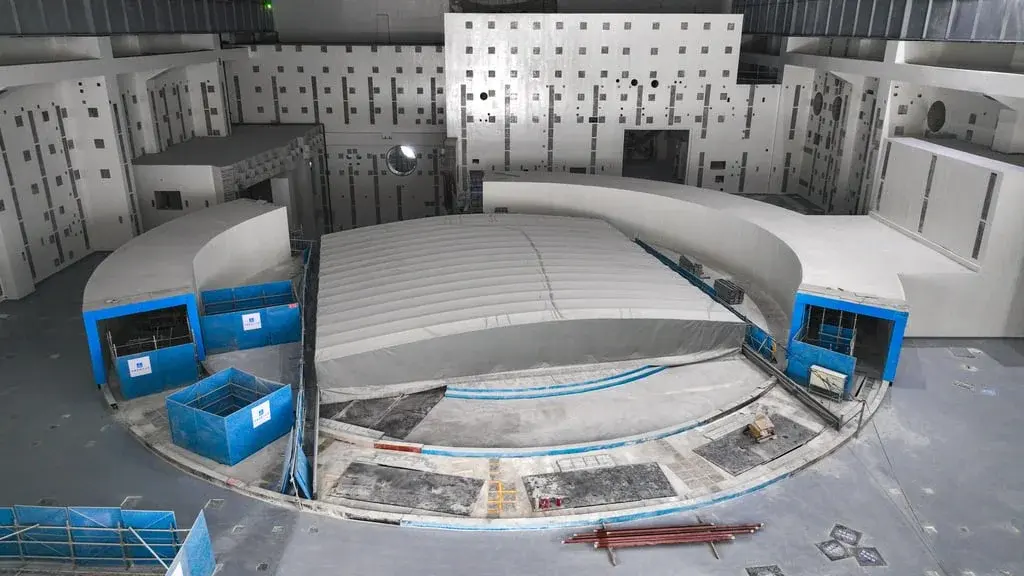
ITER, the 35-country machine in France, has pushed its major experiments to 2039.19
India has two machines worth knowing. The Institute for Plasma Research in Gandhinagar commissioned the country's first spherical tokamak, a squashed version of the doughnut, and reported first plasma in 2026.20 In Bengaluru, Pranos Fusion Energy designed PRAGYA, India's first privately developed tokamak, with a plasma ring 0.4 metres from its centre, built as a test bed for superconducting magnets and for training people.21
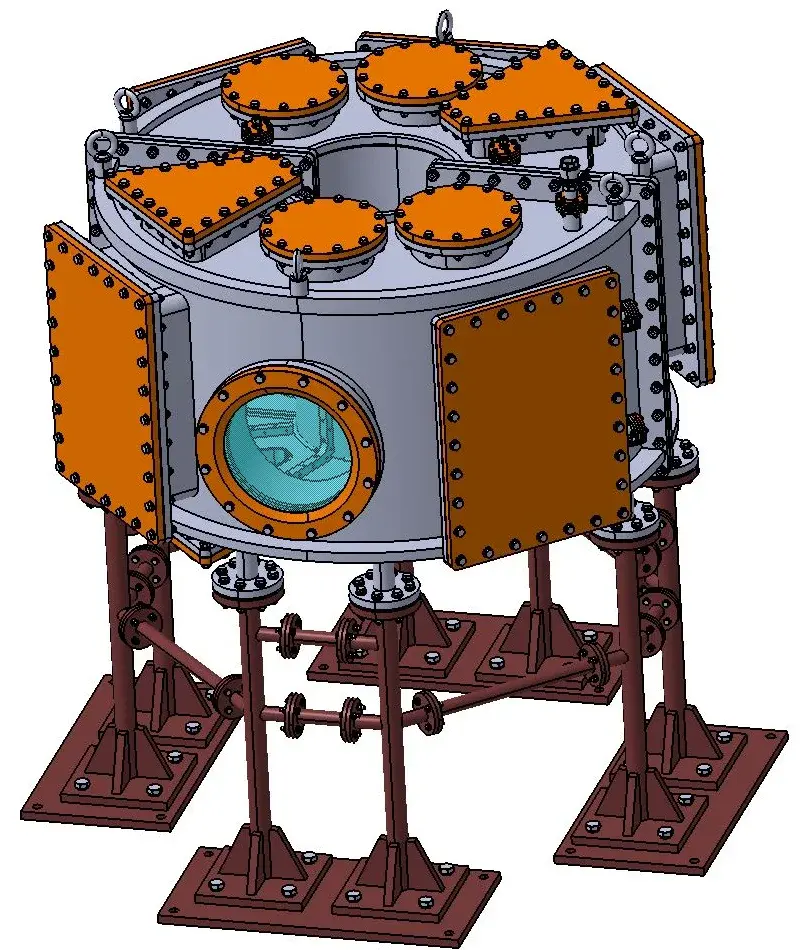
The fusion companies with revenue today sell what the machine throws off on the way. SHINE Technologies sells neutron imaging and medical isotopes, and its founder put 2025 revenue at around $50 million.22
§ 08 //
The first reactor is bought by whoever pays most for carbon or for missing power
Each of the first private orders came from a buyer whose alternative was worse than an expensive reactor.
Amazon put $700 million into X-energy and is backing four of its gas-cooled reactors, 320 MW, near Richland in Washington, with an option for twelve.23 Microsoft signed the first fusion power contract with Helion, 50 MW from 2028, with financial penalties on Helion if it misses.24 Valar and NVIDIA are designing a 30 MW data centre that needs no water for cooling on either side, reactor or chips.6 The military has wanted an air-portable reactor since the ML-1 project of the 1960s.13
Most announced numbers in this sector are pipeline numbers. Amazon's twelve units are an option against four. NuScale's 6 GW has no signed power contract. Helion's 50 MW is the firmest deal in the list because it carries penalties.824 The gap between the announced number and the contracted one is the most reliable signal the sector gives.
Indian demand has the same shape. Railways has asked for nuclear power for traction, NTPC wants small reactors on retiring coal sites, Indian Oil has discussed them for refineries, and NLC for coal mines.925
Which returns to Hindalco. Aluminium is made by passing electricity through molten alumina, so most of its carbon is the carbon in its power. Europe's carbon border tax entered its definitive phase on 1 January 2026, covers aluminium and steel, and requires importers to buy certificates from February 2027.26 A smelter that sells into Europe is about to pay for the coal in its electricity, which makes it the Indian buyer with the clearest reason to pay a premium for a reactor of its own. That motive is my inference; Hindalco has not said it.
§ 09 //
India chose its reactor because it could not enrich
India builds heavy water reactors because heavy water lets a reactor burn uranium straight from the mine. Heavy water slows the neutrons from each split atom without absorbing many of them, so a reactor moderated by it needs no enriched fuel, and India had almost no enrichment.
Enrichment is sold by the separative work unit, which measures effort the way a kilowatt-hour does: it counts how much concentrating has been done. A 1,000 MWe water reactor uses about 182,000 of them a year. India's one enrichment plant, at Ratnahalli, makes about 25,000 a year and serves mainly military needs.3 The whole national capacity is about one-seventh of one large reactor's annual appetite.
The plan built on that constraint has three stages. Heavy water reactors on natural uranium produce plutonium; fast breeder reactors burn it and breed new fuel from thorium; and a third stage runs on thorium itself.27
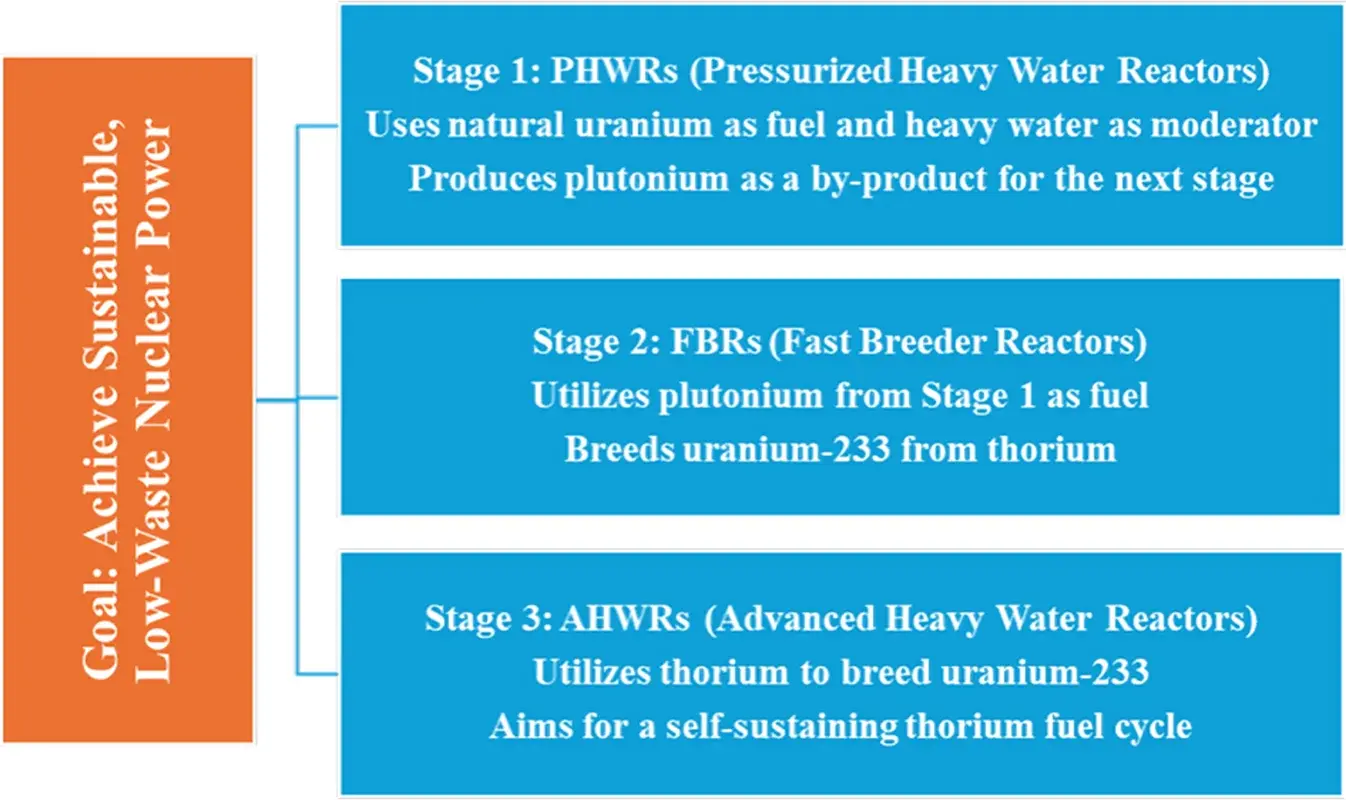
The constraint produced a cheap reactor. The 700 MWe heavy water design costs about $1,700 per kilowatt with a sixty-year design life.3 Eighteen of India's 25 reactors produce under 300 MW each, so India has built small reactors for decades, conventionally and one at a time.9
§ 10 //
The fleet is the market
India's nuclear market for the next decade is a fleet of identical 700 MWe reactors, and its supply chain is already Indian.
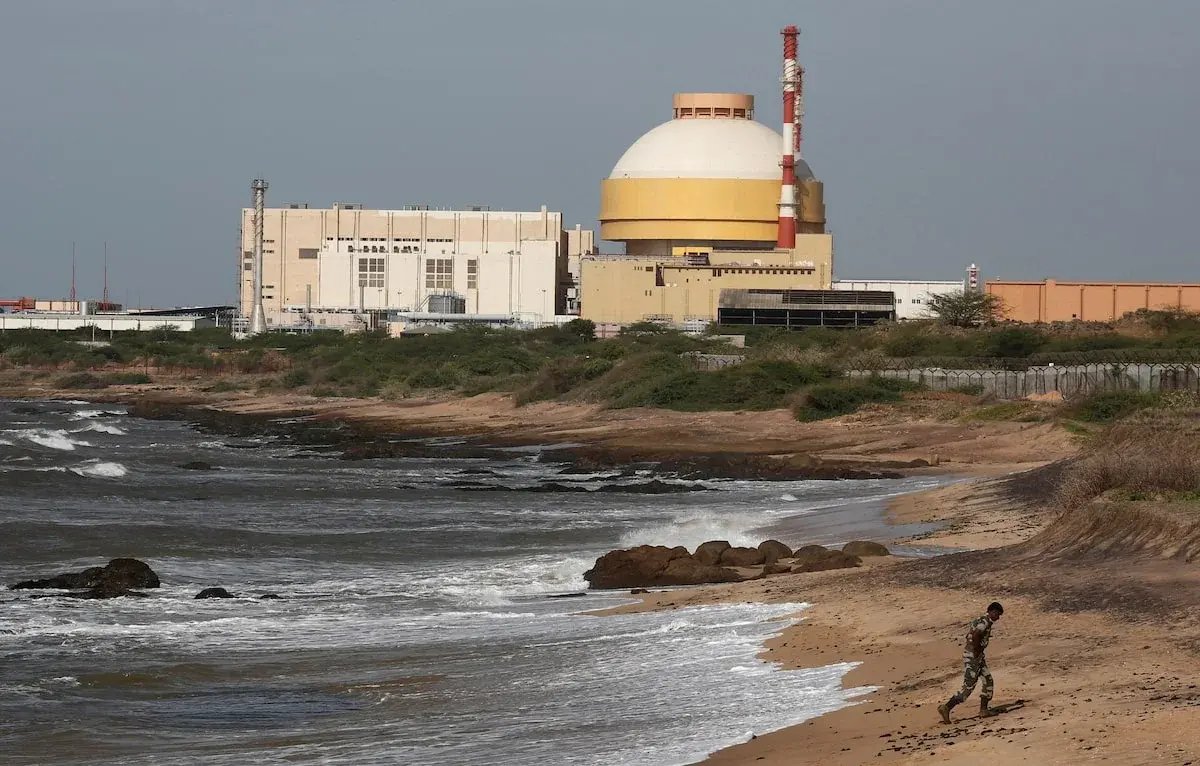
The fleet is ten units at Mahi Banswara, Kaiga, Gorakhpur and Chutka, built to one design under one procurement plan. Two 700 MWe units at Kakrapar already run, and two at Rajasthan are commissioning.28 In July 2026 the joint venture of NPCIL (51%) and NTPC (49%) floated the nuclear island package for Mahi Banswara's four units at over ₹28,000 crore, the largest ever for the Indian design.2829 That is about ₹7,000 crore per unit for the nuclear island alone, by my arithmetic.
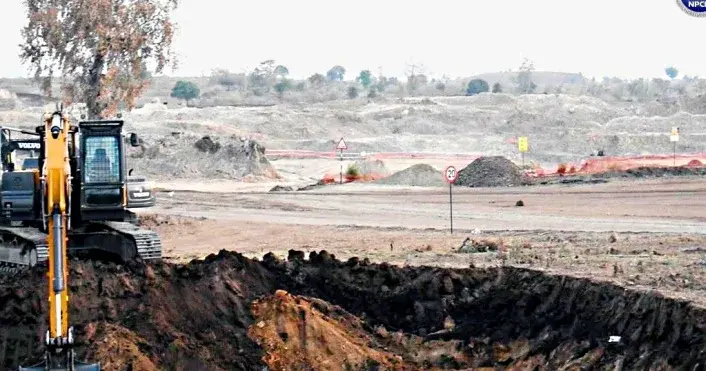
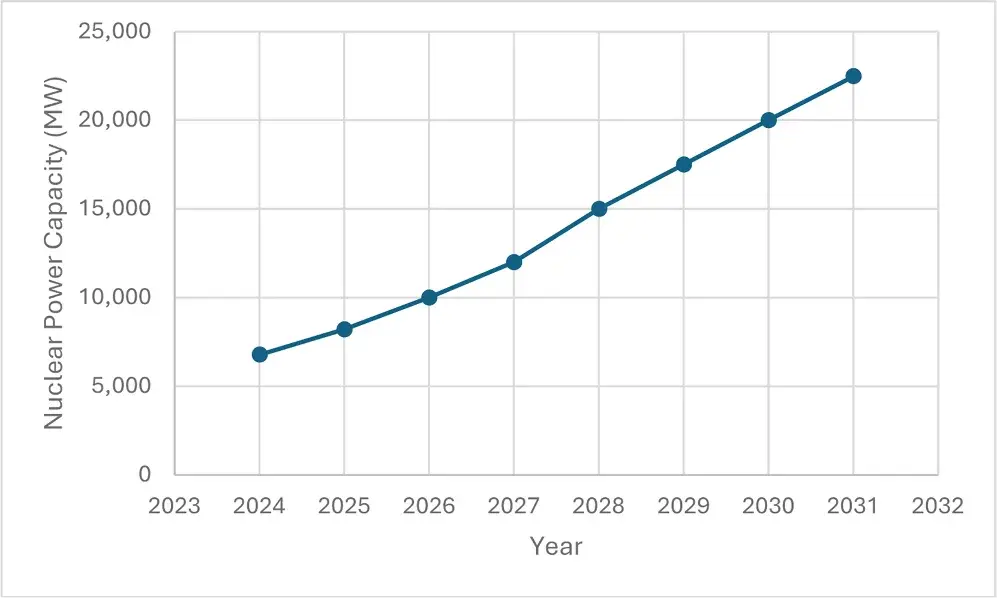
India runs 24 reactors at seven locations with 8.78 GW installed, and the government expects about 22.4 GW by 2031-32.2930 Sources differ on the count by a reactor or two, depending on whether units under refurbishment are included.528
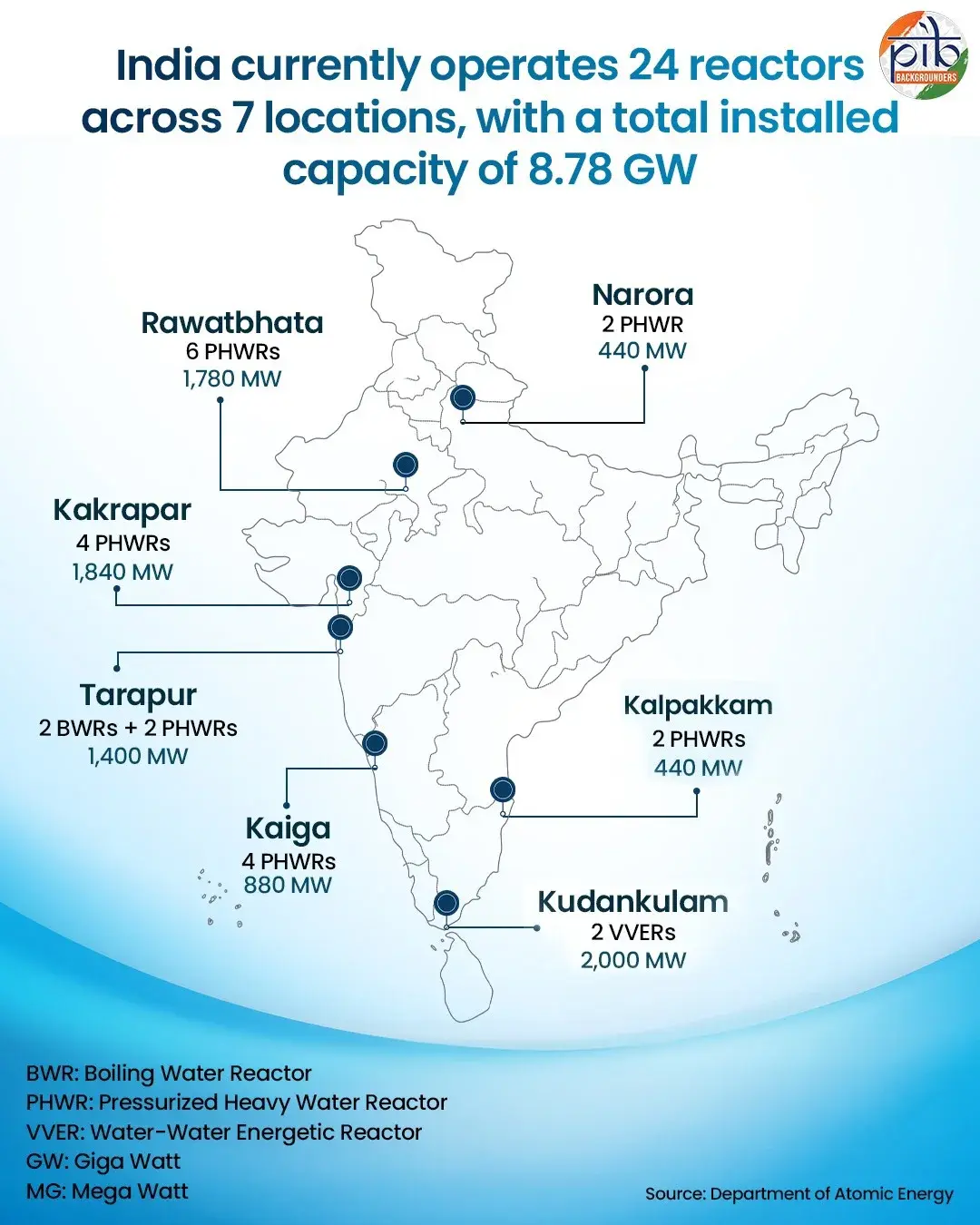
Read the 2047 target of 100 GW beside the build rate. 8.78 GW across the 57 years since Tarapur is about 150 MW a year. Reaching 100 GW by 2047 takes about 4.3 GW a year, close to thirty times the historical pace, by my arithmetic. The base year is arguable and additions come in lumps, and no version of the sum makes the target look ordinary.
§ 11 //
SHANTI moved the risk off the supplier
The SHANTI Act, in force from 21 December 2025, repealed the 1962 Atomic Energy Act and the 2010 liability law, and its largest effect lands on suppliers.31
Under the old law, an operator that paid compensation after an accident could recover it from whoever supplied the equipment, including for defects nobody had found. No supplier could price that exposure, and it was a central reason foreign reactor companies stayed out. Under SHANTI, recourse against a supplier exists only where the contract provides it, or where someone intended the damage.31
Operator liability now runs on a sliding scale, from ₹3,000 crore for the largest reactors down to ₹100 crore for the smallest, with insurance compulsory for every operator outside central government and the state liable beyond the caps.31 A 700 MWe unit, at roughly 2,100 MW of heat, falls in the ₹1,500 crore band by my arithmetic.
Three things stay with the state. Licences go only to companies incorporated in India. Enrichment above a threshold the government will notify, spent fuel, and heavy water production remain government work.31 Where that threshold lands decides whether private participation means five conglomerates or a supply chain. NPCIL is setting up a design unit to hand its heavy water technology to new entrants.12
§ 12 //
Private buyers are ordering the reactor India knows
India's largest private and public buyers are starting with the 700 MWe heavy water design. Adani's nuclear head cited "a 700-megawatt design that's already standardised and operational". Jindal Steel plans 18 GW over two decades, about ₹1.8 lakh crore, scouting sites in at least nine states, with its first two reactors most likely the domestic design. NTPC expects nearly 80% of its 30 GW to come from large reactors.232
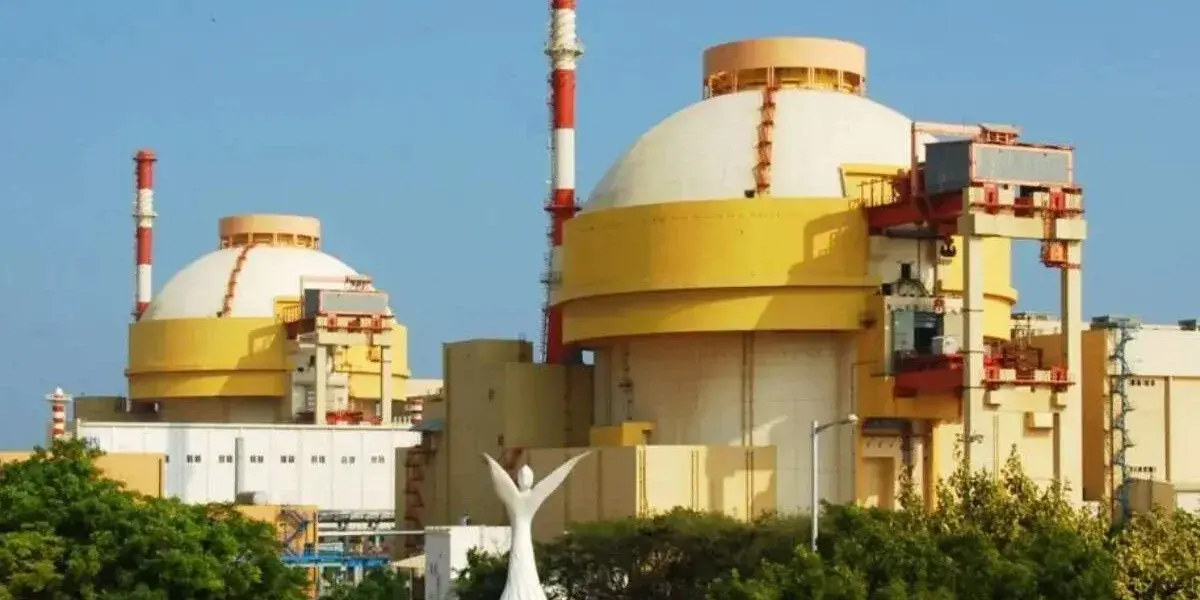
Which returns to the 27 and the 1. The easy reading is that Indian industry does not want nuclear. The same companies announcing tens of gigawatts rule that out. The second reading is that the small reactor was untested. That fails too: the Bharat Small Reactor is a 220 MWe version of the heavy water design India has run for decades.9
What differed was the deal. The request asked industrial companies to co-develop a 220 MWe plant for their own captive power, which makes a steelmaker or a refiner the owner of a small nuclear plant built at a worse scale than a 700 MWe unit.1 The conglomerates preferred to build at utility scale and sell the power. The one company that submitted is the one whose product is about to be priced by its carbon. That reading is mine, and the terms of the request would settle it.
§ 13 //
India's strength is the shop floor, and its gap is money and people
India's nuclear supply chain already exists at scale, and the constraint on the fleet is finance and skills.
About 50,000 people work in Indian nuclear: roughly 14,000 at BARC, 11,000 at NPCIL, 6,000 at L&T forging pressure vessels and containment, 5,000 at BHEL on turbines and generators, 1,500 at Godrej on fuel-handling equipment, and 500 at the regulator.33 L&T's Hazira works runs a 9,000-tonne press taking 300-tonne ingots and fabricated the 3,800-tonne cryostat for ITER.34 New entrants are arriving: Transformers and Rectifiers won its first nuclear order in August 2026, generator transformers for Kaiga 5 and 6.35
Money is the first gap. The build-out needs about $210 billion, roughly ₹18 lakh crore by my conversion, and India's sovereign green bond framework, the RBI's green deposit rules and SEBI's green debt rules all exclude nuclear. NITI Aayog has asked for a review, and the World Bank and the Asian Development Bank are reassessing their positions.536
People are the second. EDF's India head said nuclear courses are missing from schools to universities, barring a few institutes, and EDF already runs certification programmes for Indian vendors. NITI Aayog has formed a committee on skills, and the Central Electricity Authority's chair asked for approvals that do not stretch beyond a decade.536
§ 14 //
Is the space big enough?
Yes for a supplier. Not yet for a venture-funded reactor developer.
Yes, because the spend is large and repeats. A 100 GW target built at ₹18 crore per MWe implies about ₹16 lakh crore of construction, close to the $210 billion estimate, by my arithmetic. Ten identical units mean the same qualified part is bought ten times.
No, because most of that money reaches L&T, BHEL, Godrej and NPCIL's own engineers through qualification processes that take years. The slices a venture fund can back are the ones that repeat across every unit and every later design: qualified components, inspection and testing, instrumentation, training and certification, and the materials work that shortens qualification. That list is my reading of the sources.
§ 15 //
The five things I look for
| What | Why it is open | What exists in India | What I ask to see |
|---|---|---|---|
| Components qualified into the 700 MWe fleet | Ten identical units under one procurement plan; one nuclear island package is ₹28,000 crore | L&T, BHEL and Godrej at scale; Transformers and Rectifiers' first nuclear order | A repeat purchase order across two or more units |
| Faster materials qualification | Alloy 617 took four decades; six materials are qualified for hot reactors | BARC and IGCAR research programmes | A test campaign a regulator has accepted |
| Training and vendor certification | Courses missing from schools to universities; EDF certifies vendors itself | NITI Aayog's skills committee; EDF's vendor programmes | Graduates placed with qualified suppliers |
| Captive power for carbon-priced exporters | Europe's border tax prices aluminium and steel from 2027 | Hindalco's Bharat Small Reactor proposal | A signed offtake with a carbon price inside it |
| Fusion magnets and superconducting tape | Every fusion programme queues for the same tape | Pranos Fusion's PRAGYA, built to test magnets | Field strength measured by a paying customer |
§ 16 //
Three things I pass on
01 // Indian startups designing a new power reactor for licence this decade
Buyers are ordering the design they know, qualification takes decades, and no buyer has yet paid for an Indian first-of-a-kind.
02 // Fuel-cycle businesses above the enrichment line
SHANTI keeps enrichment past the notified threshold, spent fuel and heavy water with the government.
03 // Valuations priced on letters of intent
NuScale's first project was cancelled and its shares fell 75% after a 6 GW announcement with no power contract behind it.
§ 17 //
Three questions still open
1/ Where will the SHANTI rules draw the enrichment threshold, and who supplies the slightly enriched uranium the 200 MWe small reactor design needs?
2/ Did the other five applicants for the Bharat Small Reactor walk away from the captive-ownership terms or from nuclear? NPCIL's request documents would show it.
3/ Will SEBI or the RBI admit nuclear into green finance before the fleet's next tender?
§ 18 //
What would change this thesis
One result would confirm it: a private Indian supplier qualified into the fleet with repeat orders across units.
Until then the measure is the opening pair of numbers. Twenty-seven industries came to hear about a small reactor and one aluminium maker submitted a proposal, in the same months the country's largest power buyers lined up for the 700 MWe design. The money is buying what has already been built. Every position above is a claim on selling into it.